Multiple Tyre Failures Prompt Push for Real-Time Monitoring on Detachable Lift
A series of tyre failures on a detachable ropeway system has highlighted a persistent blind spot in lift operations: the lack of real-time visibility over tyre pressure.
The issue came to light after our client Arthurs Seat Eagle’s operator recorded four tyre blowouts within a single month — an unusually high frequency for a system operating under standard maintenance procedures. Each incident resulted in operational disruption, increased maintenance demand, and mounting concern among the on-site team.
Initial checks suggested that routine processes had been followed. Tyre pressures were being measured manually at intervals, in line with typical industry practice (tyre bar and gauge). However, the incident revealed a more systemic issue: multiple tyres were operating below optimal pressure, undetected by standard handheld tools.
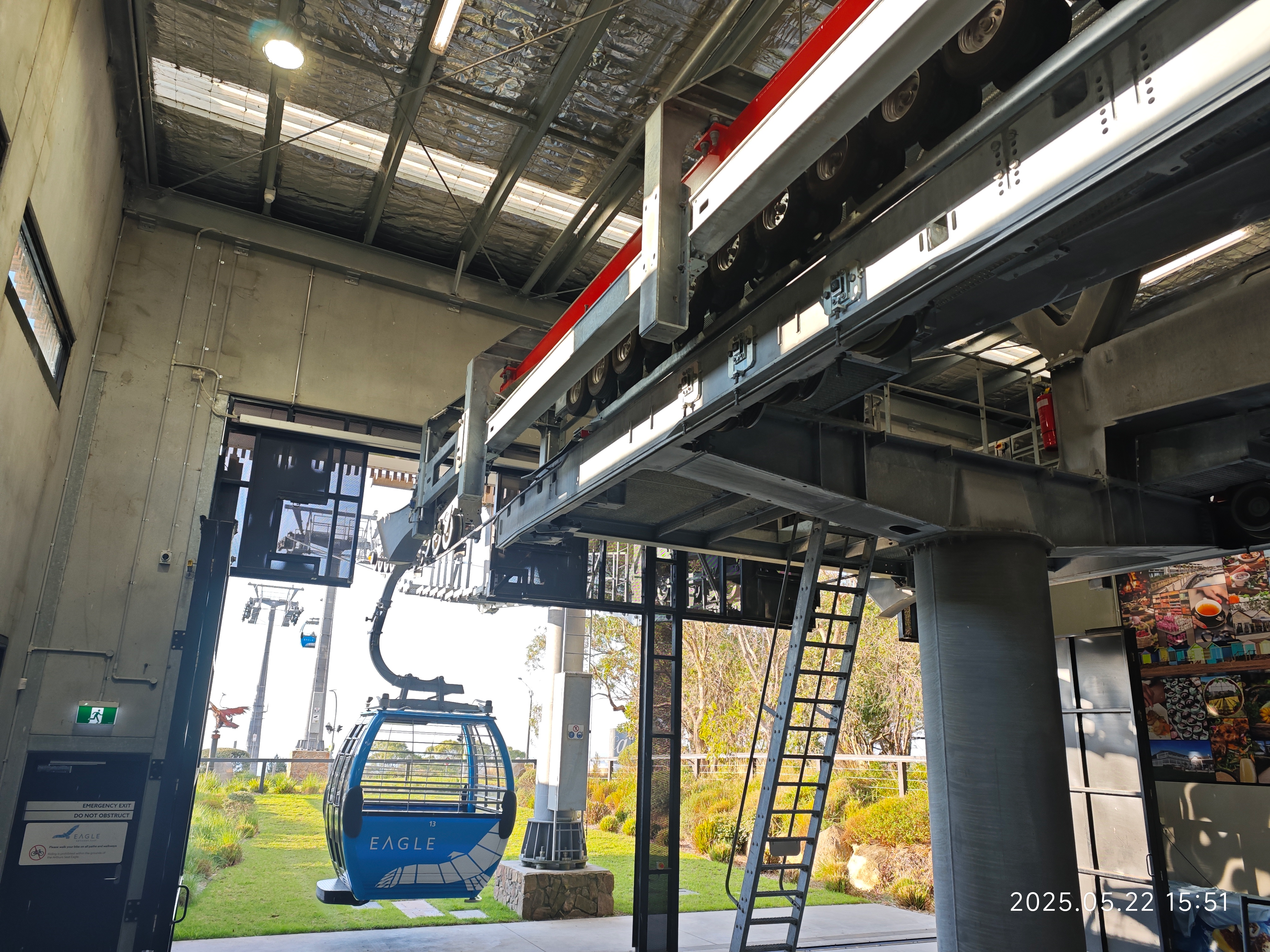
According to the maintenance team, the problem was not a single faulty tyre, but a broader lack of visibility. “The tyre bar touch felt slightly off, but because the whole row of tyres that were newly supplied, it wasn’t obvious or picked up at the time,” one team member said.
The issue compounded with the inconsistencies in supplied tyre pressures, the limitations of manual gauge tools, and the long intervals of the digital gauge check made it difficult to identify the initial lower pressure as well as gradual pressure loss. Without continuous monitoring, the system effectively relied on periodic checks and operator judgment. The result was a series of failures that only became visible once they reached a critical point.
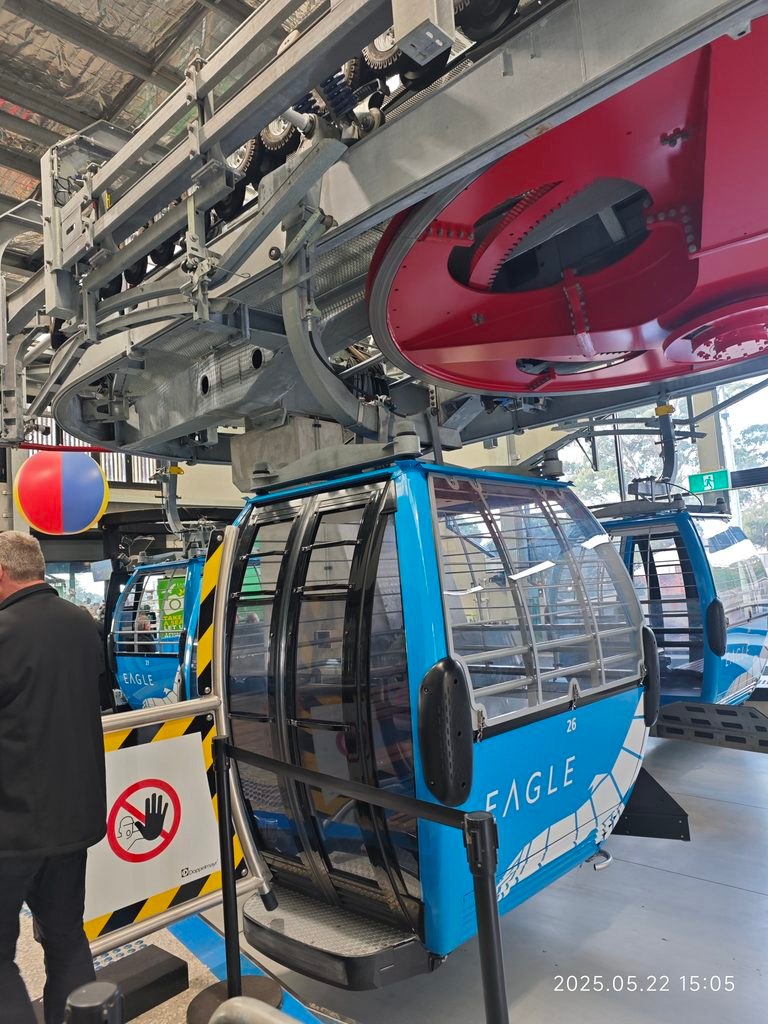
Following the incidents, the operator began exploring alternatives to conventional inspection methods. The requirement was clear: a system capable of providing continuous, system-wide tyre pressure data without interrupting operations.
At the time, no dedicated independent solution existed for detachable ropeway systems. In response, Promata came up with a wireless tyre pressure monitoring system (TPMS), designed specifically to operate within the constraints of moving ropeway infrastructure.
The system provides continuous 24/7 monitoring, transmitting live pressure data from each tyre to a central interface accessible by operations and maintenance teams. Alerts are generated automatically when pressures fall outside predefined thresholds, allowing intervention before a failure occurs.
The first of its kind in the world, this is an independent system that can be retrofitted to any chairlift and gondola with a pneumatic system. It can monitor hundreds of tyres on the screen, and pinpoint each exact tyre and their pressures at any moment.
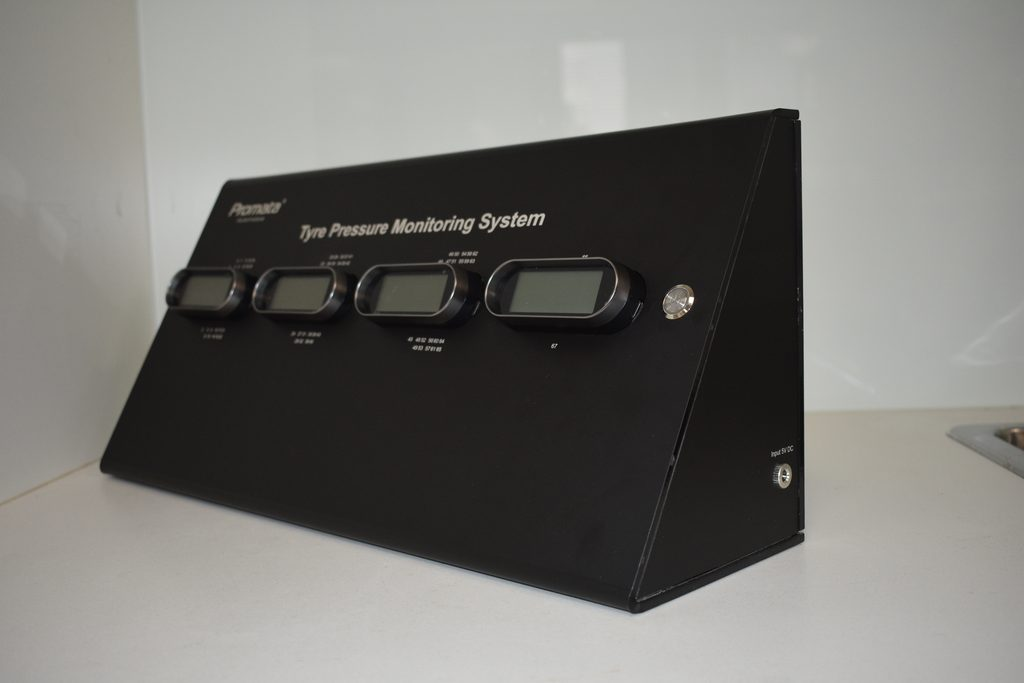
The team at Arthurs Seat Eagle were delighted to receive the product and it was up and running within 50 minutes of delivery. “Very easy to install.” was the feedback we got.
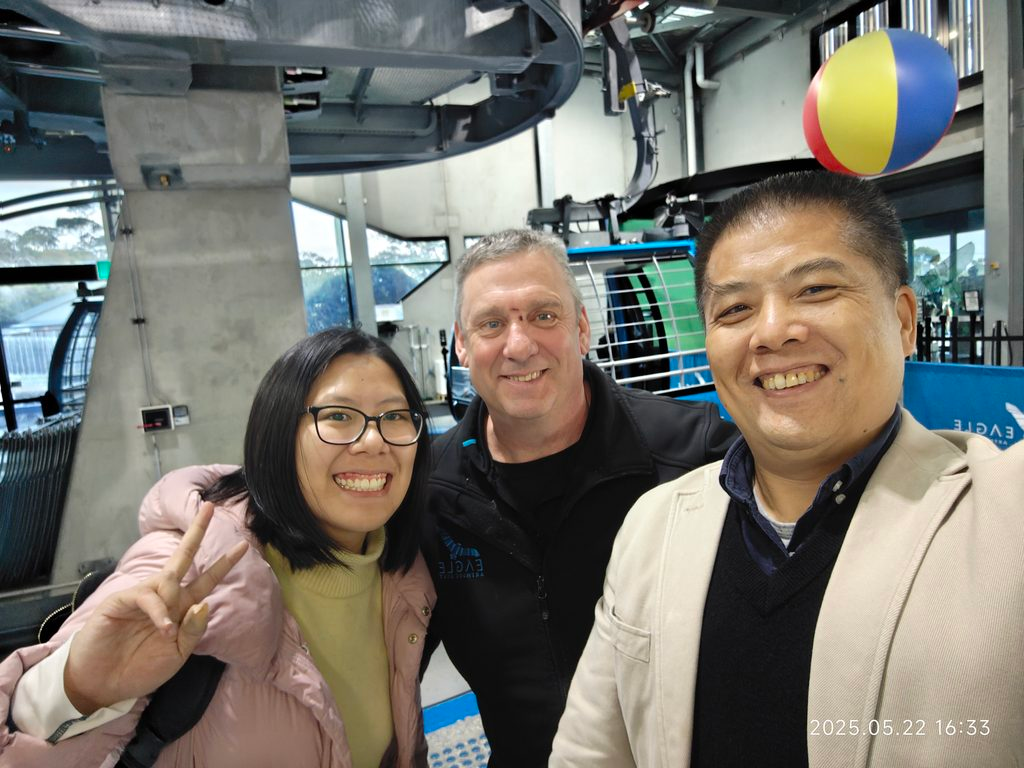
Since implementation, the operator reports a marked improvement in maintenance efficiency and a reduction in unexpected downtime. “It’s been really good — and saved heaps of time,” a member of the maintenance team said during the six-month review where the Promata team flew down to melbourne to check on the pilot product.
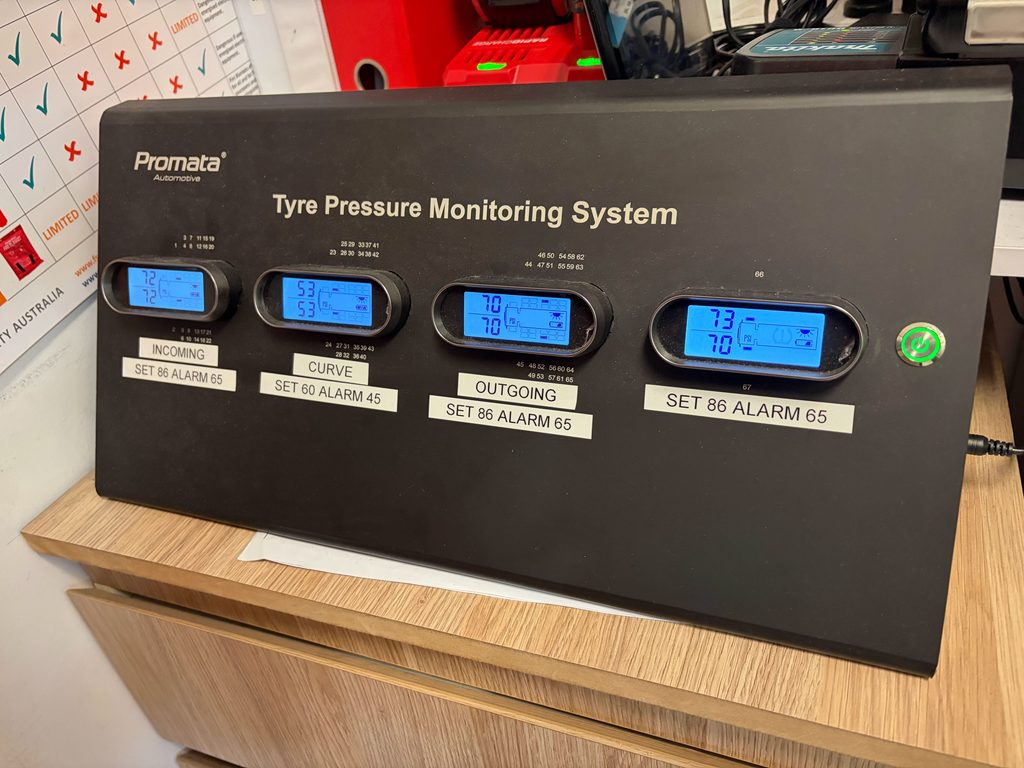
The experience has also drawn attention from industry peers. During a subsequent site visit in, technicians from Doppelmayr Australia reportedly took immediate interest in the system, reflecting broader curiosity around data-driven approaches to lift maintenance.
For the operations team, the initial failures have reframed how tyre management is approached. “We had four tyre blowouts from inaccurate pressures,” a team representative said. “That’s when we pushed for this.”
But the real question is – did the tyre pressure work as intended? Yes! Arthurs Seat Eagle let us know that they had the gondola halt to a stop during operation and received an immediate alarm from the TPMS, and the system picked out the exact tyre that had an issue. When they went to check, they realised that the tyre valve was hit and damaged, the leaking air alerting the pressure monitor system immediately.
The usage of automatic technologies like the TPMS can reduce and eliminate human error, and provide total visibility on the tyre conditions. The dashboard is a game changer for the daily task that the team needs to do, and also can help them react faster in a potential incident.
The case underscores a wider challenge across the sector. While ropeway systems have seen significant advancements in automation and monitoring, some components — including tyre systems — continue to rely on manual processes. As operators face increasing pressure to maximise uptime and reduce risk, the adoption of real-time monitoring technologies may become less optional and more standard practice.
Can our TPMS help you?
We’d love to chat with you if you’d like to learn more! And hey, we’re kinda awesome.
Or Call us on +61 449 883 677